Full-Service Fence Installation & Replacement: Claim Your Free Quote Today
Comprehensive fence installation and replacement services offer considerable value for landowners. These upgrades can improve security, privacy, and visual appeal. Recognizing the diverse materials and factors at play is vital before making a decision. Moreover, reviewing specific needs secures a tailored solution. For property owners exploring this option, requesting a complimentary estimate can provide clarity on costs. Nevertheless, one must also account for the long-term maintenance and care needed for a successful installation. How does one proceed?
The Advantages of Fence Installation for Your Property
Installing a fence provides many benefits that can improve any property. A properly built fence delivers vital privacy, establishing a private retreat for relaxation or family events. It also serves as a barrier, enhancing security by deterring unwanted visitors and keeping children and pets safely contained. Additionally, fences can greatly improve a property's aesthetic appeal, adding value and curb appeal through various styles and materials.
Furthermore, a fence can define property lines, avoiding conflicts with adjoining property owners and establishing clear ownership. Particular fence styles can also offer practical benefits, such as wind shielding or acoustic buffering, creating a more pleasant exterior living area. Additionally, installing a fence can facilitate compliance with local rules regarding boundary lines and security measures. In summary, the advantages of installing a fence surpass basic decorative purposes, promoting safety, privacy, and property value in a variety of significant ways that position it as a sound investment for residential owners.
Important Factors to Consider Before Replacing Your Fence
Swapping out a fence can be a major decision for homeowners, necessitating careful consideration of various critical factors. Initially, the condition of the existing fence must be evaluated; figuring out if it is genuinely past saving or merely needs attention can influence the decision to replace. Next, homeowners should review local regulations and zoning laws, as these can determine fence height, style, and placement. Cost limitations are also a key factor; understanding the financial implications can help in selecting materials and design options. Moreover, thinking about what the fence is meant to achieve—such as privacy, safety, or decorative value—will shape the choice of materials and design. Lastly, homeowners should consider the long-term maintenance requirements of various fence types to secure sustainability. By weighing these factors, homeowners can reach well-considered conclusions that align with their goals and add value to their home.
Fence Material Comparisons: Which Is the Right Choice for You?
When deciding on the best fencing material, what should homeowners take into account? Durability is paramount; materials like vinyl and metal frequently outlast wood, providing long-term value. Aesthetic appeal also plays a critical role, as different materials offer various styles to complement the property's architecture. Maintenance requirements vary greatly: wood fences often require routine staining or painting, while vinyl and metal typically require minimal upkeep.
Price is an additional aspect worth examining. While upfront costs for wood might be lower, the cumulative costs associated with regular maintenance can accumulate over time. Additionally, the regional climate can affect material choice; for example, treated wood may be required in humid areas to prevent rot.
Finally, homeowners ought to review municipal regulations and neighborhood requirements, as these often determine allowable materials and styles. By taking these factors into account, homeowners can make informed decisions that fulfill their needs and elevate their property's appeal.
A Step by Step Guide to Installing Your Fence
When installing a fence, possessing the proper tools is key to a successful outcome. This section will outline the necessary equipment and provide a clear, step-by-step guide to the installation process. Homeowners who follow these guidelines can expect a durable and well-executed fence installation.
What You'll Need
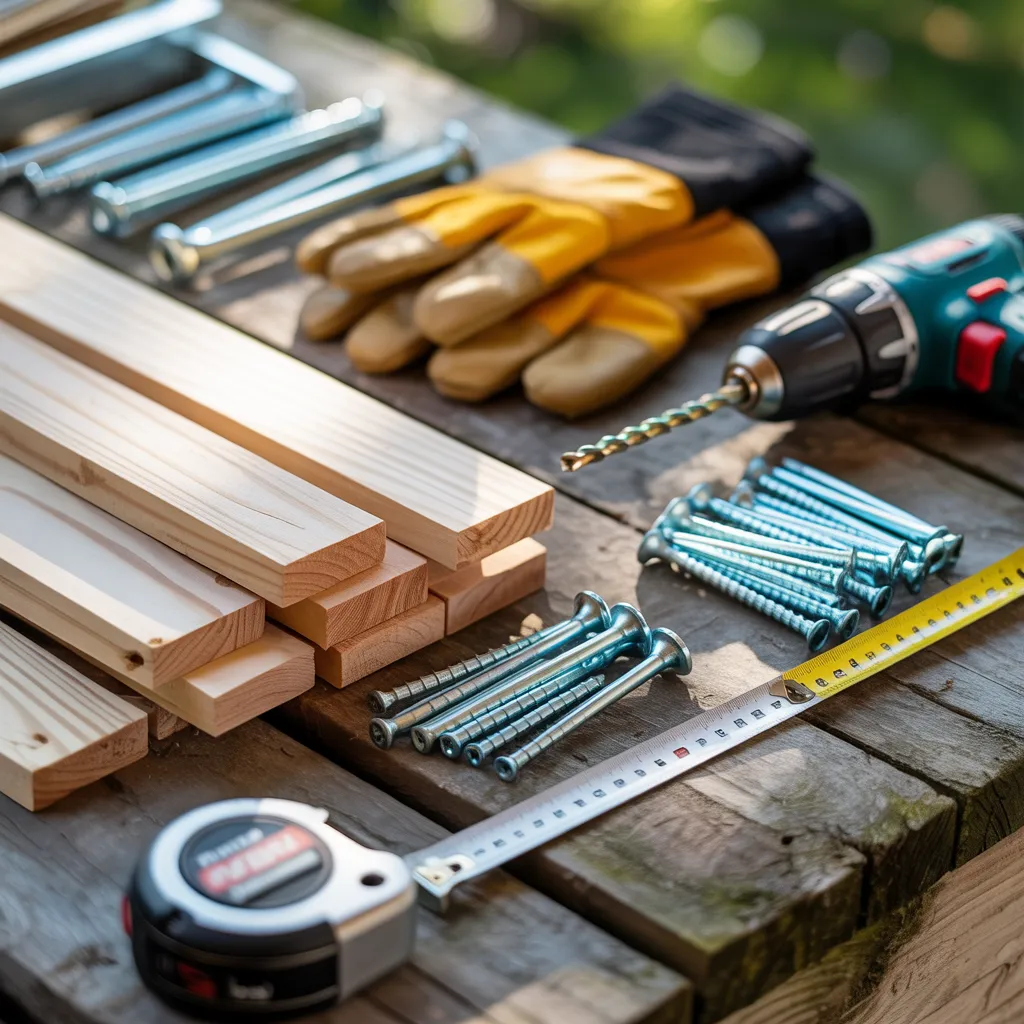
When preparing for a fence installation project, having the right tools is vital for guaranteeing a smooth process. A post hole digger is essential for creating the necessary spaces for fence posts. A level verifies posts are straight, while a tape measure aids in accurate spacing. A hammer or nail gun is necessary for attaching panels, and a saw, manual or powered, is useful for trimming materials as needed. Moreover, a string line can be used to ensure straight alignment is maintained throughout the project. For safety, gloves and safety glasses are recommended. Keeping these tools on hand will expedite the installation, making the project run more smoothly and minimizing potential errors. Thorough preparation is essential to ensuring a properly installed fence.
Installation Process Overview
Starting the installation of a fence requires careful planning and execution. To begin, the area needs to be precisely measured and marked, ensuring adherence to local regulations. Subsequently, posts are anchored in concrete, arranged according to the fence type, usually placed 6 to 8 feet apart. When the posts are properly secured, the horizontal rails are installed, delivering structure and reinforcement. Following this, the selected fencing material—be it wood, vinyl, or chain link—is put in place, ensuring it is level and correctly aligned. Gates are then hung, allowing for access while maintaining functionality. Finally, the installation site is cleaned, and any necessary adjustments are made, completing the process. This systematic method ensures a long-lasting and visually appealing fence.
Request a Free Estimate for Your Fence Installation Project
What steps can homeowners take to properly evaluate the expenses of their fence installation project? Getting a free estimate serves as a vital starting point. Reputable fencing companies typically offer complimentary estimates, allowing homeowners to understand the financial implications before committing to a project. During this process, homeowners should provide detailed information about their property, covering property dimensions, chosen materials, and any unique design specifications.
Businesses typically evaluate several elements, such as labor, material costs, and site conditions, when preparing a quotation. Property owners should request multiple estimates to compare pricing and services. Doing so not only assists in finding the most competitive offer but also offers a clearer understanding of different contractors' approaches and expertise. Clear communication regarding project expectations can result in a more precise estimate. At its core, a no-cost quote functions as a beneficial instrument, allowing property owners to reach educated conclusions about their fence installation requirements.
Maintenance Advice for Your Home Fence
Keeping up a household fence is essential for preserving its look and lifespan. Consistent evaluations need to be done to spot signs of wear, such as loose boards, rust, or rot. Washing the fence a minimum of once annually assists in clearing away grime, mildew, and algae, which can degrade materials over time. For wood fences, putting a durable sealant or stain on every few years can boost resilience and appearance. Householders should also verify that plant growth does not overtake the fence, as roots and limbs may inflict structural damage. Additionally, examining for any slack nails or screws and fixing them immediately will prevent further issues. In areas susceptible to severe weather, additional attention may read now be required, such as fortifying posts or adding protective weather coatings. By adhering to these upkeep guidelines, residents can increase the longevity of their fence while keeping its attractive appearance.
Frequently Asked Questions About Fence Installation
When thinking about fencing installation, many homeowners have questions regarding different elements of the process. Key topics often include the variety of fencing materials on the market, a breakdown of the installation steps, and considerations that impact the overall price. Answering these questions can offer guidance and enable property owners to decide with confidence.
Types Of Fencing Materials
Selecting the most suitable fencing material is vital for achieving both practicality and visual appeal in every property. Various options are available, each offering distinct advantages. Wood, for example, delivers a timeless look and can be customized easily, but it requires consistent upkeep. Vinyl, on the other hand, is virtually maintenance-free and resistant to decay, establishing it as a top pick for a large number of residents. Chain-link fencing is cost-effective and sturdy, though it may offer limited seclusion in contrast to other materials. Aluminum fencing offers a balance of strength and elegance, frequently chosen for decorative purposes. Finally, composite fencing merges the benefits of timber and synthetic materials, delivering resilience without extensive care. Every material caters to specific requirements, allowing property owners to choose wisely based on their specific requirements.
Overview of the Installation Process
Understanding the installation process of a fence is important for residents thinking about a new addition to their property. The primary step generally involves assessing the site to identify the best fence configuration and location. Property owners should review local zoning regulations and acquire necessary permits. After this step, the installation begins with outlining the boundaries, digging post holes, and anchoring the posts with concrete for stability. When the posts are secured, panels or boards are fitted according to the chosen design. This phase may also include incorporating gates and confirming proper alignment. Finally, a thorough inspection is conducted to confirm quality and compliance with standards. Homeowners are urged to seek clarification throughout this process to resolve any doubts.
Pricing Estimation Considerations
There are several key factors involved in fence installation cost estimation that homeowners should take into account. First, the type of material—wood, vinyl, aluminum, or chain link—plays a major role in determining the price. Each material has its own cost range and maintenance requirements. Additionally, the dimensions of the fence, including its length and height, have a direct impact on the total cost; bigger installations will demand greater quantities of materials and more labor. Furthermore, factors like terrain and site accessibility may drive up installation costs when specialized tools or methods are required. Local labor rates and permits may also contribute to the final price. It is also important for homeowners to factor in any supplementary features, including gates or decorative accents, which may further affect the overall project cost.

Common Questions and Answers
How Long Does the Fence Installation Process Generally Take?
The process of installing a fence typically takes between one and three days, depending on factors such as the scope of the area, type of materials used, as well as weather conditions. Proper planning can help streamline the project considerably.
Is a Permit Required for Fence Installation?
In most cases, a permit is necessary for fence installation, depending on local regulations. Homeowners are encouraged to check with their local municipality to ensure compliance with zoning laws and prevent potential fines or complications.
Is It Possible to Install a Fence on a Slope?
Certainly, a fence is able to be built on a slope. A range of approaches, like terracing or contouring, accommodate uneven terrain. Careful preparation ensures structural integrity and visual attractiveness, allowing homeowners to effectively manage their landscaping needs.
What Is the Average Cost of Fence Replacement?
The standard cost of replacing a fence typically ranges from $1,500 to $4,000, based on the size of the property, materials, and labor. Differences in regional labor costs and particular requirements can influence overall expenses considerably.
How Does Weather Affect Fence Installation Timelines?
Climate conditions significantly affects fence installation schedules. Rain, snow, or extreme temperatures can disrupt work due to safety concerns and material handling. Fence specialists often modify timetables to ensure favorable conditions for completing the project, focusing on structural integrity and lasting quality.